

-
×
 Critter Joe's Custom Bone Sign
1 × $39.95
Critter Joe's Custom Bone Sign
1 × $39.95
Subtotal: $39.95
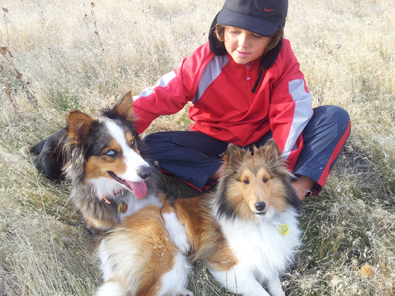
These two, Bella and Frannie, both mine will eat anything at anytime. From Geese poop, loves the cat box stuff and will dig up a dead thing or two and love it.
My dogs are not unlike most and we can’t be there all the time but when can, and we need to know the foods that can kill them.
Foods that are Hazardous to Dogs
Avocado – Most Animals
Avocado leaves, fruit, seeds and bark may contain a toxic principle known as persin. The Guatemalan variety, a common one found in stores, appears to be the most problematic. Other varieties of avocado can have different degrees of toxic potential.
Chocolate – Most Animals
Chocolate is derived from the roasted seeds of Theobroma cacao, which contains certain properties that can be toxic to animals: caffeine and theobromine. If ingested, these two ingredients can also lead to various medical complications and may even prove fatal for your dog.
Bread Dough
Raw bread dough made with live yeast can be hazardous if ingested by dogs. When raw dough is swallowed, the warm, moist environment of the stomach provides an ideal environment for the yeast to multiply, resulting in an expanding mass of dough in the stomach.
Moldy Foods
A wide variety of molds grow on food. Some produce toxins called tremorgenic mycotoxins, which can cause serious or even life-threatening problems if ingested by dogs. Unfortunately, it’s not possible to determine whether a particular mold is producing tremorgenic mycotoxins, so the safest rule of thumb is to avoid feeding dogs moldy food. In other words, if you wouldn’t eat it, neither should your dog. Promptly remove any trash or moldy debris (road-kill, fallen walnuts or fruit, etc.) from your dog’s environment to prevent him from eating it. The signs of tremorgenic mycotoxin poisoning generally begin as fine muscle tremors that progress to very coarse total-body tremors and, finally, convulsions that can lead to death in severe cases. Left untreated, these tremors can last for several weeks. Fortunately, they usually respond well to appropriate veterinary treatment.
Onions and Garlic
All close members of the onion family (shallots, onions, garlic, scallions, etc.) contain compounds that can damage dogs’ red blood cells if ingested in sufficient quantities. A rule of thumb is “the stronger it is, the more toxic it is.” Garlic tends to be more toxic than onions, on an ounce-for-ounce basis. While it’s uncommon for dogs to eat enough raw onions and garlic to cause serious problems, exposure to concentrated forms of onion or garlic, such as dehydrated onions, onion soup mix or garlic powder, may put dogs at risk of toxicosis. The damage to the red blood cells caused by onions and garlic generally doesn’t become apparent until three to five days after a dog eats these vegetables. Affected dogs may seem weak or reluctant to move, or they may appear to tire easily after mild exercise. Their urine may be orange-tinged to dark red in color. These dogs should be examined by a veterinarian immediately. In severe cases, blood transfusions may be needed.
Grapes and Raisins
This is one that lots of dog and cat owners are unaware of. Grapes contain a toxin that can cause severe liver damage and kidney failure.
Onions, Chives and large amounts of Garlic
No matter what form they’re in (dry, raw, cooked, powder, within other foods), onions and garlic (especially onions) are some of the absolute worst foods you could possibly give your pup (it’s poisonous for dogs, and its even worse for cats). They contain disulfides and sulfoxides (thiosulphate), both of which can cause anemia and damage red blood cells.
Persimmons, Peaches, and Plums
If you live in an area that is home to persimmon, peach, or plum trees, look out. Persimmon seeds and peach and plum pits can cause intestinal obstruction and enteritis. You’ll want to make sure there aren’t any wild persimmon or other fruit trees that produce seeds growing in your backyard. If you notice your dog pooping all over the place, and see a bunch of seeds or pits in their waste, you’ll need to break out the saw and chop down some trees.
Green Potatoes/Potato Skins, Rhubarb, and Tomato Leaves
These contain oxalates, which can adversely affect the digestive, nervous, and urinary systems.
Xylitol
Xylitol is a non-caloric sweetener that is widely used in sugar-free gum, as well as in sugar-free baked products. In humans, xylitol does not affect blood sugar levels, but in dogs, ingestion of xylitol can lead to a rapid and severe drop in blood sugar levels. Dogs may develop disorientation and seizures within 30 minutes of ingesting xylitol-containing products, or signs may be delayed for several hours. Some dogs who ingest large amounts of xylitol develop liver failure, which can be fatal. All dogs ingesting xylitol-containing products should be examined by a veterinarian immediately.
We want to hear from you!

Critter Joe's Forever Products

Critter Joe's Forever Products
Critter Joe's Forever Products

